“Mediterranean Without Borders” conference held in Palermo, Sicily
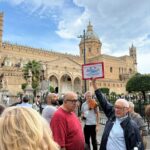
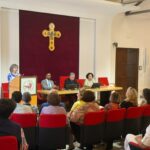
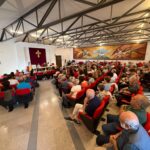
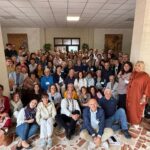
Representatives from 19 countries gathered in Palermo from Wednesday 7 to 11 October 2026 for the conference entitled Mediterranean Without Borders: Peoples Networked for Fraternity, promoted by the Focolare Movement. The five-day event — the first ever of its kind — brought together 101 participants to share experiences of dialogue, solidarity and cooperation, with the aim of strengthening relationships across the Mediterranean region.
Often referred to by its ancient name Mare Nostrum – “Our Sea” – the Mediterranean connects Europe, Africa and Asia. Rather than separating continents, it has the potential to unite peoples, cultures and traditions.
Aside from Malta, the event drew participants from Spain, France, Austria, Northern Ireland, Greece, Italy, Cyprus, Croatia, Slovenia, Bosnia, Serbia, Turkey, Lebanon, Jordan, Syria, the Holy Land, Algeria and Morocco.
Gallery
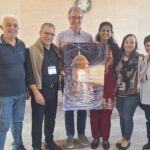
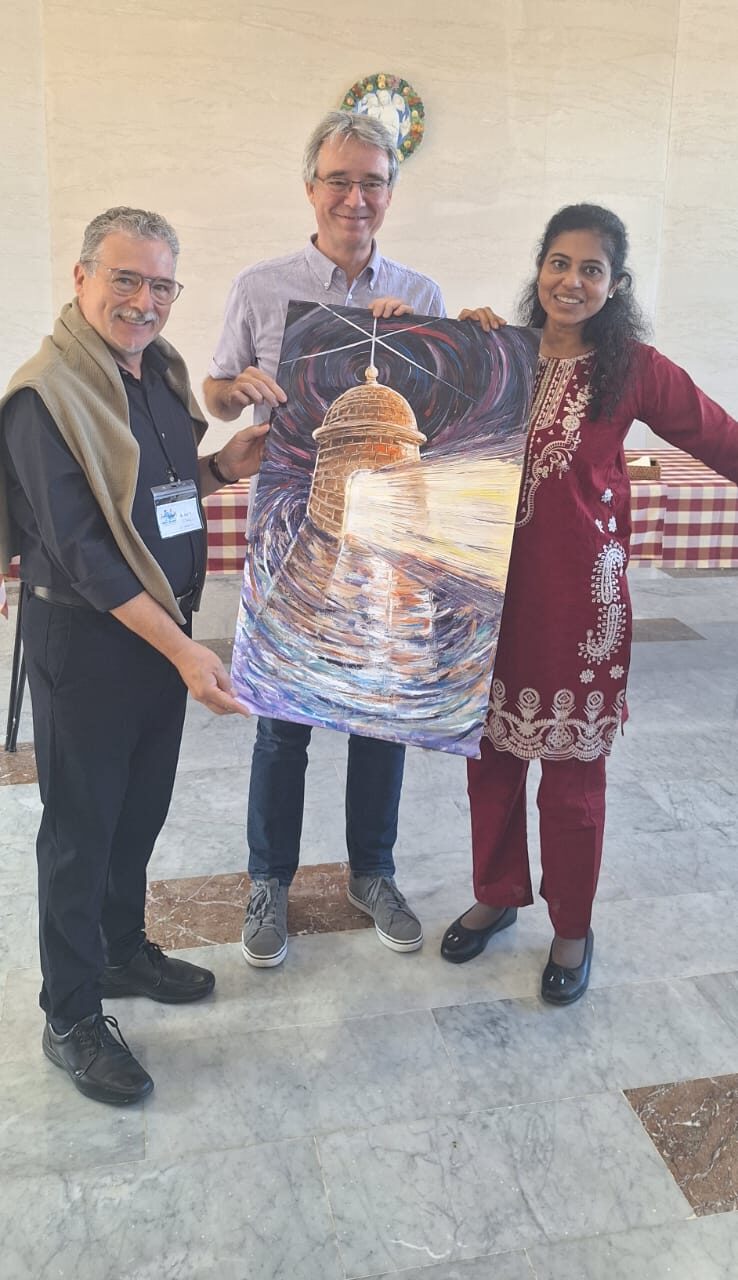
Art emerged as another means of overcoming divisions and building relationships between communities. During the conference, I presented my painting “Pharus” to the patrons of this conference. Representing a Maltese theme, this work of art was prepared especially for the occasion. See description below.
Artist’s statement
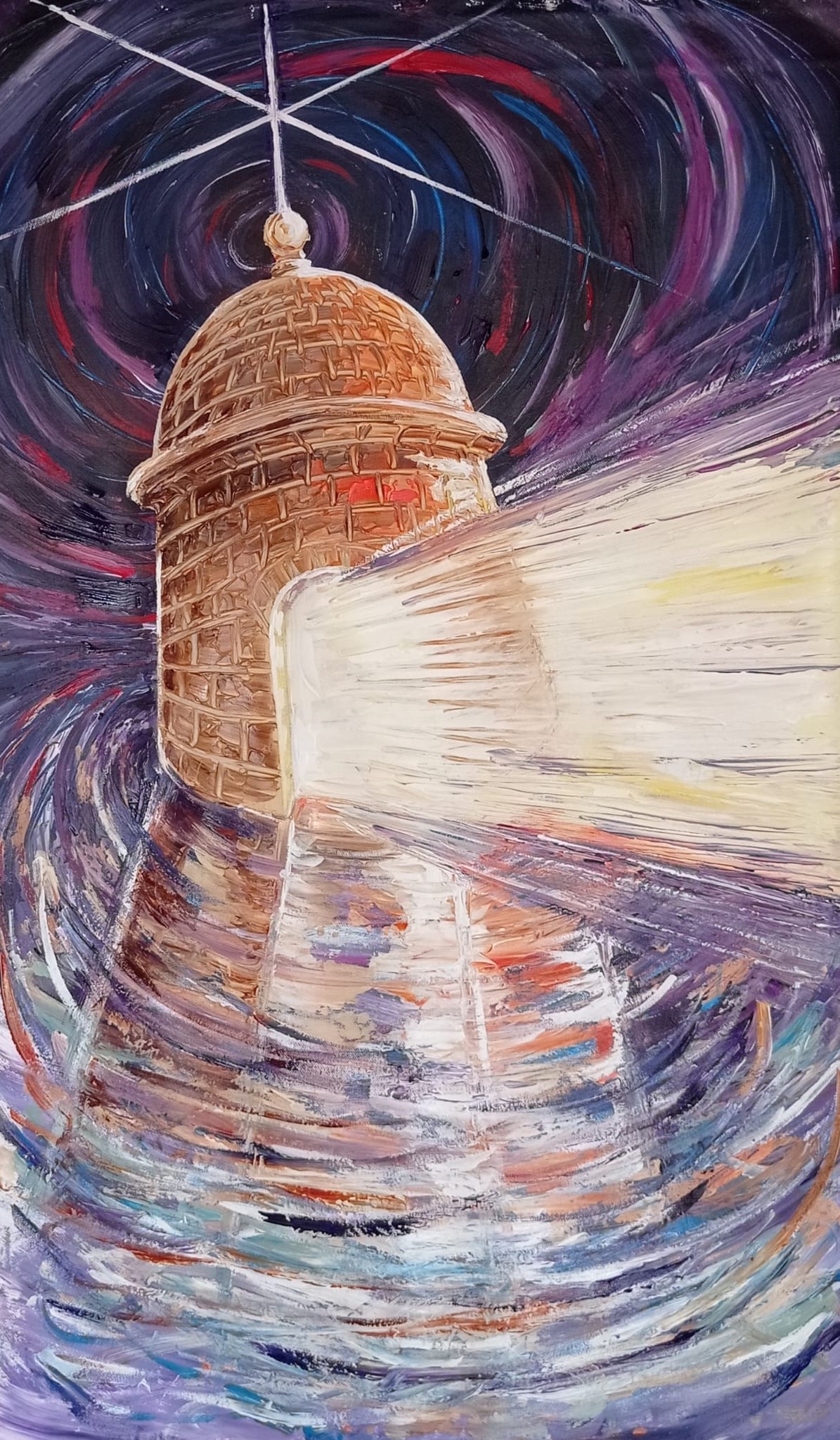
The title of this work is “Pharus”. At the top there is the North Star – the very destination for travellers, the ultimate goal, the harbour. We call this body of water Mare Nostrum (“Our Sea”), though we know that on the opposite side it is known as Baharum – the Roman Sea- or Baharhom (“Their Sea”). This is a small detail which I feel I should emphasise. We call it “Nostrum”, while others might call it Roman or theirs, but in effect it is a shared sea.
Moving downwards, there is darkness, a somewhat unsettling background which evokes the unknown – especially at night, when the sea batters the ship and uncertainty looms.
Then we come to the central section. This central part represents a watchtower, a sentinel – poised precariously, much like the tiny island of Malta itself, sitting in the middle of the Mediterranean. Why “poised precariously”? Because it conveys vulnerability; it stands truly alone and exposed. Indeed, the watchtower is a hallmark of Maltese architecture, reflecting both medieval styles and fortifications. It is a city, a fortress that defends but also welcomes others at the same time.
I would also like to highlight the fact that a great light radiates from this small watchtower. What is this great light? It represents Malta’s own vocation: situated in the heart of the Mediterranean, it strives to be a small harbour that defends its own identity while simultaneously embracing the identities of others.
It is a beacon — a true “Pharus”— for all other cultures. A beacon of love.
Then we move to the lower section, which represents the polychromatic sea. It signifies the various cultures in a state of syncretism – all the Mediterranean cultures – within this sea that surrounds us and also embraces us.
(Anthony Patrick Vella)